Introduction
Learning how to make a candle is a rewarding and creative process that allows you to design unique, personalized products for your home or business. Whether you want to create relaxing scented candles, decorative pieces, or start a candle-making business, understanding the basics is essential. This guide will walk you through each step in detail, from choosing the right materials to pouring and curing your candle for the best results.
What You Need to Make a Candle
Before you begin, it’s important to gather all the necessary materials. Having the right tools and ingredients ensures a smooth candle-making process and better results.
Essential Materials
- Wax (soy, paraffin, or beeswax)
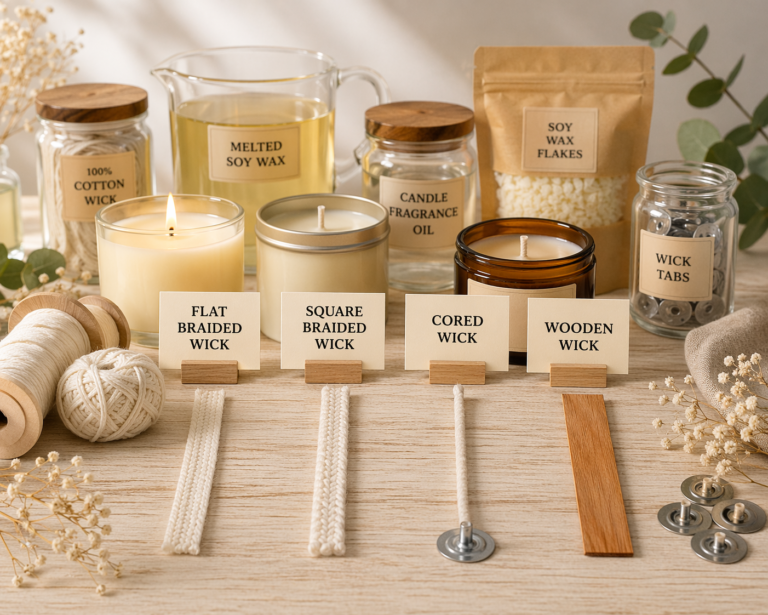
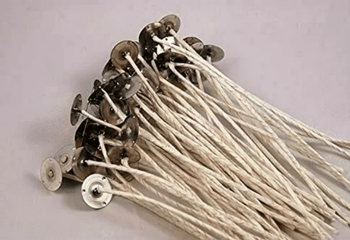
- Candle wicks
- Fragrance oils or essential oils
- Dye (optional for color)
- Heat-safe container or mold
Required Tools
- Double boiler or melting pot
- Thermometer
- Stirring stick or spoon
- Wick holder or clips
Choosing high-quality materials will significantly impact the performance, scent throw, and appearance of your candle.
Choosing the Right Wax
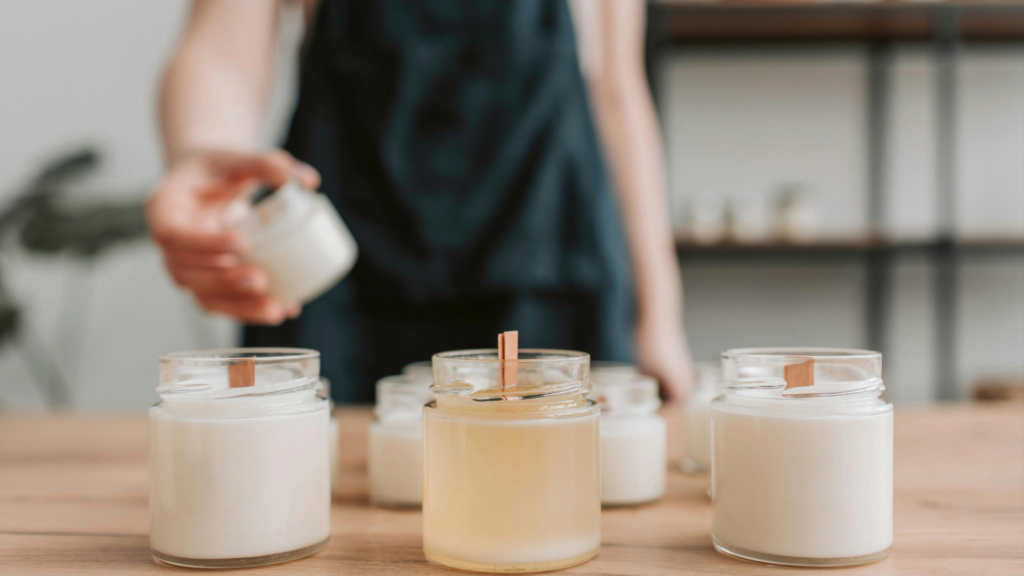
The type of wax you select plays a major role in how your candle burns and smells. Each wax type has its own characteristics and benefits.
Soy Wax
Soy wax is popular for beginners because it is natural, easy to work with, and provides a clean burn. It also holds fragrance well, making it ideal for scented candles.
Paraffin Wax
Paraffin wax is widely used in commercial candle making due to its strong scent throw and smooth finish. It is more affordable but less eco-friendly than soy wax.
Beeswax
Beeswax is a natural option known for its subtle honey scent and long burn time. It is more expensive but highly valued for premium candles.
Step-by-Step Process on How to Make a Candle
Understanding how to make a candle step by step ensures consistent and professional results. Follow these instructions carefully.
Step 1: Prepare Your Container
Clean and dry your container or mold thoroughly. Attach the wick to the center using a wick sticker or glue. Make sure it is straight and secure.
Step 2: Melt the Wax
Use a double boiler to melt the wax slowly. Avoid direct heat, as it can burn the wax. Monitor the temperature using a thermometer to ensure it melts evenly.
Step 3: Add Fragrance and Color
Once the wax has melted and cooled slightly (usually around 70–80°C), add your fragrance oil and dye if desired. Stir gently but thoroughly to ensure even distribution.
Step 4: Pour the Wax
Carefully pour the melted wax into your container while keeping the wick centered. Pour slowly to avoid air bubbles.
Step 5: Secure the Wick
Use a wick holder or clip to keep the wick upright while the wax sets. This step is crucial for proper burning later.
Step 6: Let the Candle Cure
Allow the candle to cool and cure for at least 24–48 hours. This improves the scent throw and overall quality.
Tips for Better Candle Making Results
If you want to master how to make a candle, small improvements in technique can make a big difference.
Use the Right Wick Size
The wick size should match the container diameter. A wick that is too small will create tunneling, while a large wick may burn too fast.
Control Temperature Carefully
Adding fragrance at the correct temperature helps retain scent strength. Overheating can weaken the fragrance.
Test Your Candles
Always test burn your candles before selling or gifting them. This helps identify issues like uneven burning or weak scent throw.
Common Mistakes to Avoid
Even beginners can avoid major issues by being aware of these common mistakes.
Overloading Fragrance
Adding too much fragrance oil can affect how the candle burns and may cause safety issues.
Skipping the Curing Process
Impatience can lead to weak scent throw. Proper curing is essential for the best performance.
Incorrect Wick Placement
A crooked wick can cause uneven burning and reduce the lifespan of the candle.
Different Types of Candles You Can Make
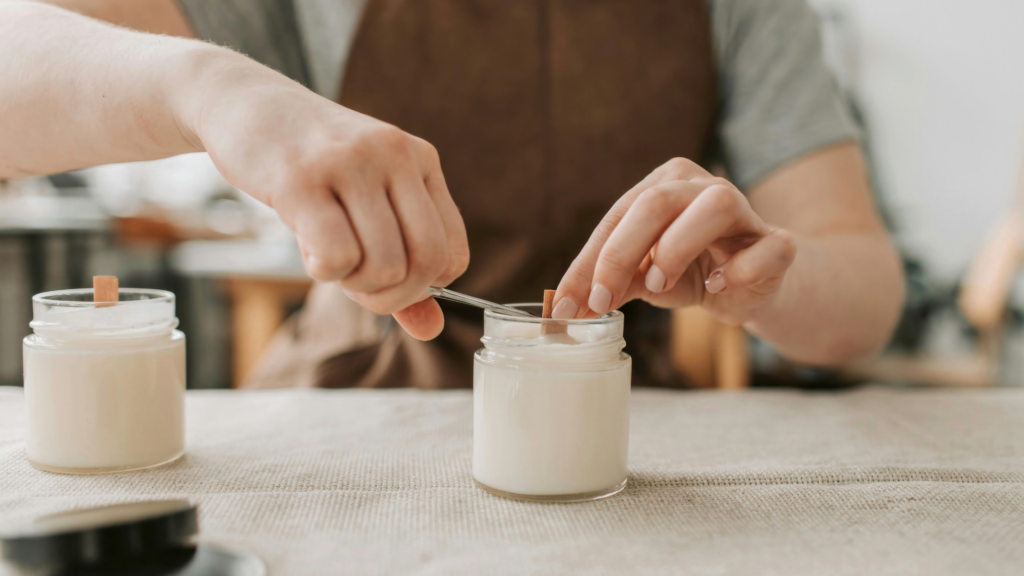
Once you understand how to make a candle, you can experiment with different styles.
Container Candles
Made in jars or tins, these are the easiest and most popular type for beginners.
Pillar Candles
These are free-standing candles that require molds and a slightly more advanced technique.
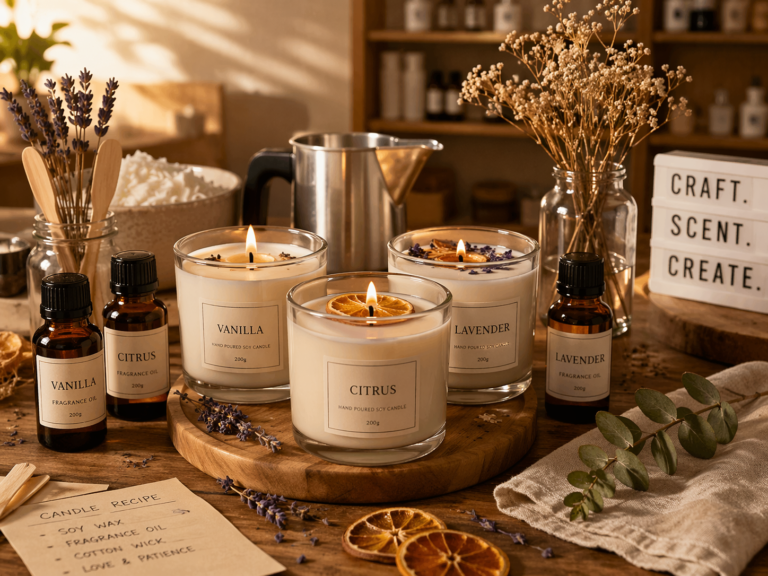
Scented Candles
By adding fragrance oils, you can create relaxing or energizing candles for different moods.
Decorative Candles
These include layered, colored, or uniquely shaped candles for aesthetic appeal.
Benefits of Learning How to Make a Candle
Candle making offers both personal and professional benefits.
- Creative Expression – Design unique scents and styles
- Cost Savings – Make candles at home for less
- Business Opportunity – Sell handmade candles online or locally
- Therapeutic Activity – Relaxing and enjoyable hobby
How to Start a Candle Making Business
If you plan to turn your hobby into a business, start with a clear strategy.
Choose a Niche
Focus on a specific audience, such as luxury candles, eco-friendly candles, or gift sets.
Build Your Brand
Create a unique brand identity, including logo, packaging, and messaging.
Sell Online
Use platforms like your own website or marketplaces to reach customers.
Focus on Quality
High-quality ingredients and consistent results will help build customer trust.
Conclusion
Understanding how to make a candle is the first step toward creating beautiful, high-quality products. By choosing the right materials, following proper techniques, and avoiding common mistakes, you can produce candles that look great and perform well. Whether you are making candles for personal use or planning to turn it into a business, consistency and experimentation will help you improve over time.
For beginners and professionals alike, sourcing the right materials is just as important as the process itself. Trusted suppliers like Jess Mae – A Breath of Hope provide high-quality wicks, fragrance oils, and candle-making essentials that ensure better performance and consistent results. Using reliable products can make a noticeable difference in how your candles burn, smell, and look, helping you create candles that truly stand out.
FAQs
1. What is the easiest way to start candle making?
The easiest way to begin is by making container candles using soy wax. Soy wax is beginner-friendly, melts evenly, and is forgiving if you make small mistakes. Start with basic supplies like a jar, wick, wax, and fragrance oil. As you gain confidence, you can experiment with different wax types, colors, and advanced designs.
2. How long should a candle cure before use?
Curing time depends on the type of wax used. Most candles should cure for at least 24–48 hours, but soy candles often perform best after 5–7 days. Proper curing allows the fragrance to bind with the wax, resulting in a stronger scent throw and better overall performance when burned.
3. Can I make candles without fragrance?
Yes, unscented candles are simple to make and are often preferred for decorative purposes or for people sensitive to strong scents. They are also commonly used for dinner settings or relaxation where a neutral atmosphere is desired. Even without fragrance, choosing high-quality wax and wicks ensures a clean and long-lasting burn.
4. Why is my candle tunneling?
Tunneling occurs when the candle burns straight down the center instead of melting evenly across the surface. This usually happens due to using the wrong wick size or not allowing the candle to burn long enough during the first use. To prevent tunneling, always choose the correct wick and let the candle burn until the entire top layer melts evenly.
5. What is the best wax for beginners?
Soy wax is considered the best option for beginners because it is easy to work with, burns cleanly, and holds fragrance well. It also has a lower melting point, making it safer and more manageable during the candle-making process. Additionally, soy wax is widely available and eco-friendly, making it a popular choice.
6. How do I fix uneven candle surfaces?
Uneven surfaces are common, especially for beginners. You can fix this by gently reheating the top layer using a heat gun or pouring a small amount of melted wax over the surface. Ensuring proper pouring temperature and allowing the candle to cool slowly can also help prevent this issue in future batches.
7. Is candle making profitable?
Yes, candle making can be a profitable business if approached strategically. Success depends on factors such as product quality, branding, pricing, and marketing. By creating unique scents, attractive packaging, and targeting a specific audience, you can build a strong brand and generate consistent sales. Starting small and scaling gradually is often the best approach.